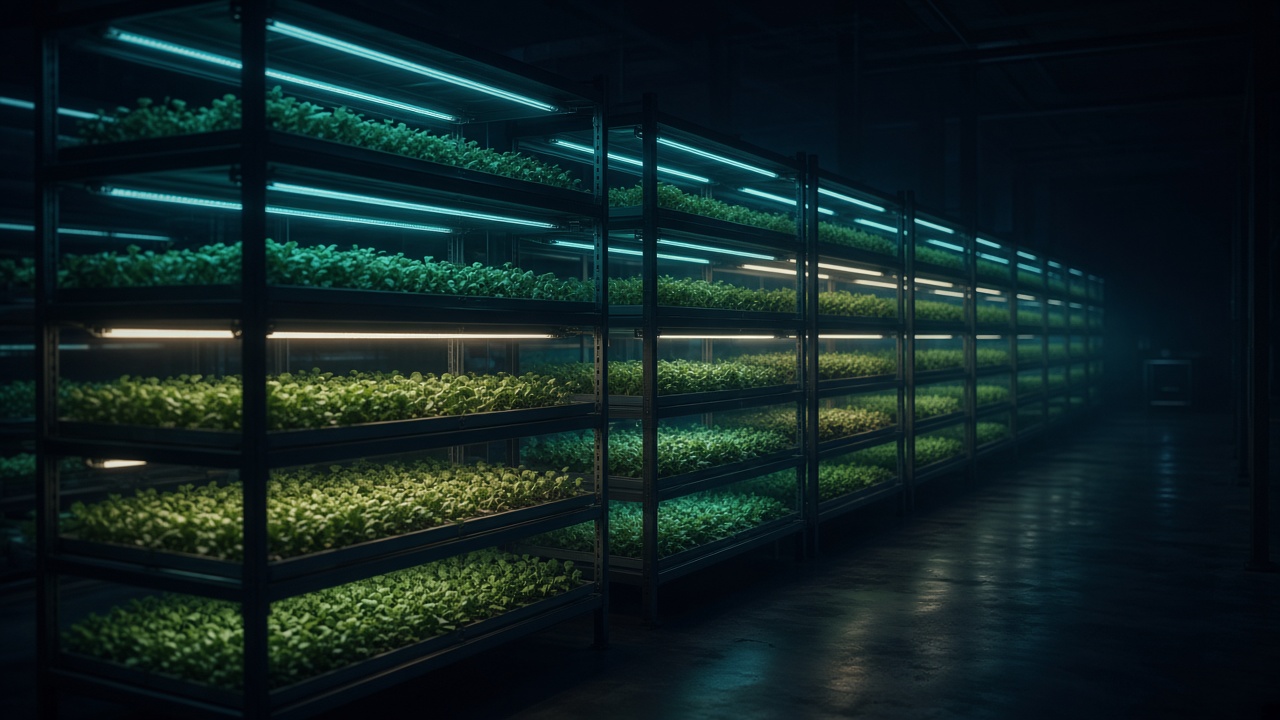
Artificial Intelligence
Models for environmental prediction, decision support, and sequential control. Emphasis on methods that remain inspectable in an experimental setting.
Applied research · Intelligent agriculture
Toba Smart Farming develops methods and systems for indoor vertical farming, sensor-driven environmental monitoring, and intelligent climate control — with a research posture that prefers measurement over marketing.
Container-based cultivation
Indoor vertical farming as a controlled research environment.
Sensing to actuation
From environmental observation to closed-loop climate response.
About
An applied research and technology initiative working at the intersection of agriculture, sensing, computation, and climate engineering.
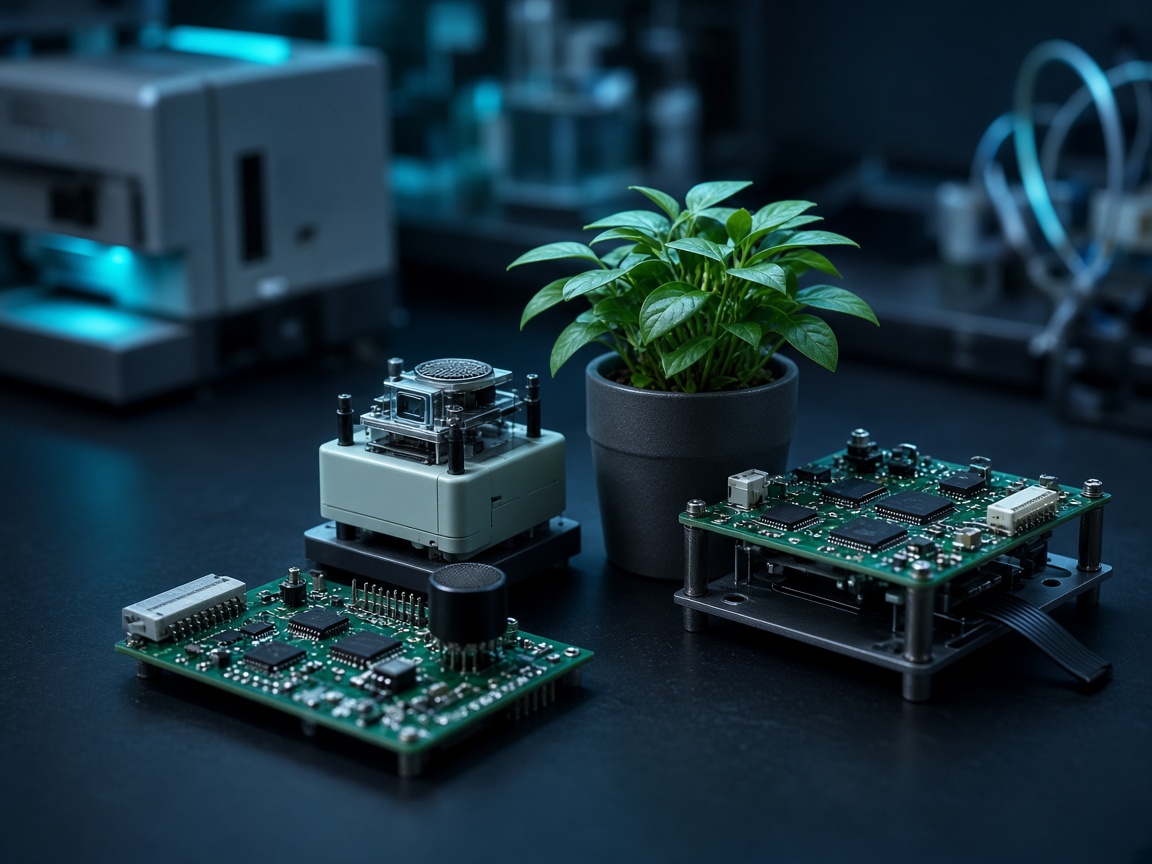
The initiative is concerned with how crops, climate, energy, and computation interact inside tightly instrumented growing environments. The working premise is straightforward: if environmental states can be observed with sufficient spatial and temporal resolution, then cultivation decisions can be made with greater discipline.
Work is organized around indoor vertical farming as a research platform — a setting in which lighting, airflow, irrigation, and climate can be treated as engineered variables rather than background conditions.
Geographic focus: Lake Toba region, North Sumatra, Indonesia (facility details to be confirmed). Institutional affiliations — verification pending.
The site presents research directions, system concepts, and demonstration themes. It does not report unpublished experimental results or institutional claims that have not been verified for public release.
Technology pillars
The program is not a collection of isolated tools. Sensing, models, control, and agronomy are designed to inform one another.
Models for environmental prediction, decision support, and sequential control. Emphasis on methods that remain inspectable in an experimental setting.
Distributed sensing of temperature, humidity, CO₂, light, and related microclimate variables — designed for dense spatial coverage rather than a single room average.
Closed-loop actuation of climate, irrigation, and lighting. Control is treated as an engineering problem with energy, crop, and operational constraints.
Cultivation practices informed by measurement: canopy conditions, resource use, and environmental gradients inside the growing volume.
Research platform
The primary experimental setting is an indoor vertical farm housed in a containerized volume. The container is treated as both a production system and an instrumented research facility.
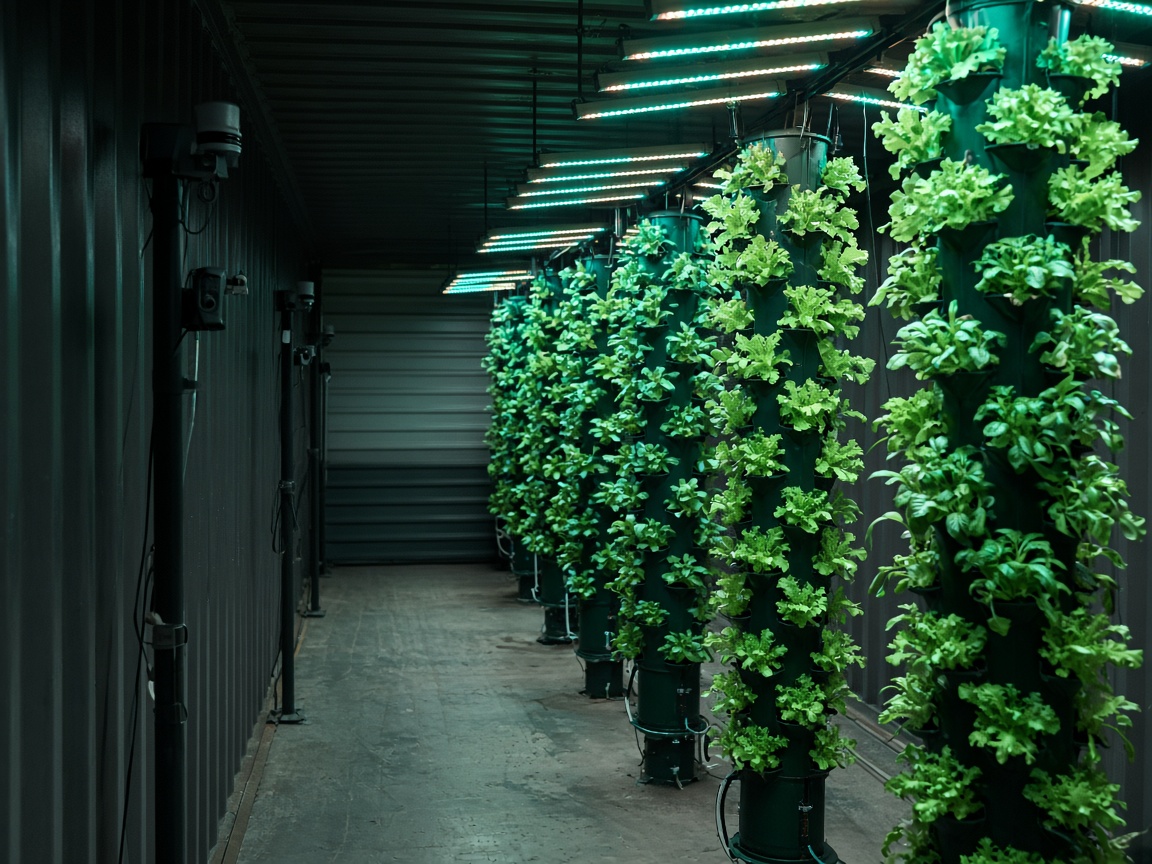
A shipping-container envelope provides a bounded volume in which climate, lighting, and airflow can be specified, instrumented, and revised.
Stacked growing layers increase canopy area per floor footprint and create vertical microclimate structure that must be measured, not assumed uniform.
The platform is intended for repeatable trials: lighting recipes, irrigation regimes, and climate set-points that can be compared under documented conditions.
System architecture
The reference architecture is a sensing-to-control stack. It is presented as a system concept for the research platform, not as a claim that every layer is already deployed.
Layer 01
Environmental nodes for temperature, humidity, CO₂, photosynthetic lighting, and related signals across racks and zones.
Layer 02
On-site processing for filtering, local buffering, and low-latency control where round-trips to the cloud are unnecessary.
Layer 03
Longer-horizon storage, model training, and remote observation of facility state. Implementation details remain to be specified.
Layer 04
Spatial and temporal analysis of microclimate, resource use, and system behavior — intended to support experiment design as much as operations.
Layer 05
HVAC, humidification, irrigation, and lighting channels that close the loop from observation to environmental intervention.
Research & innovation
These are active research themes. They describe intended methods and open problems. They are not reports of completed trials or published findings.
01
Indoor farms are rarely uniform. Vertical racks, airflow paths, and lighting geometry create gradients. This line of work concerns dense sensing and reconstruction of those fields so that control is not based on a single thermostat reading.
02
Climate control is sequential: today’s action changes tomorrow’s state, energy use, and crop environment. Reinforcement learning is treated as a candidate method for policies that must respect safety constraints, not as a finished controller.
03
Environmental quality and energy use are coupled. The research interest is in control strategies that keep cultivation conditions within agronomic bounds while making energy an explicit objective rather than an afterthought.
Publication list — not yet published on this site.
Projects & demonstrations
The items below describe demonstration themes and system concepts. Names, partners, dates, and measured outcomes are omitted until they can be stated accurately.
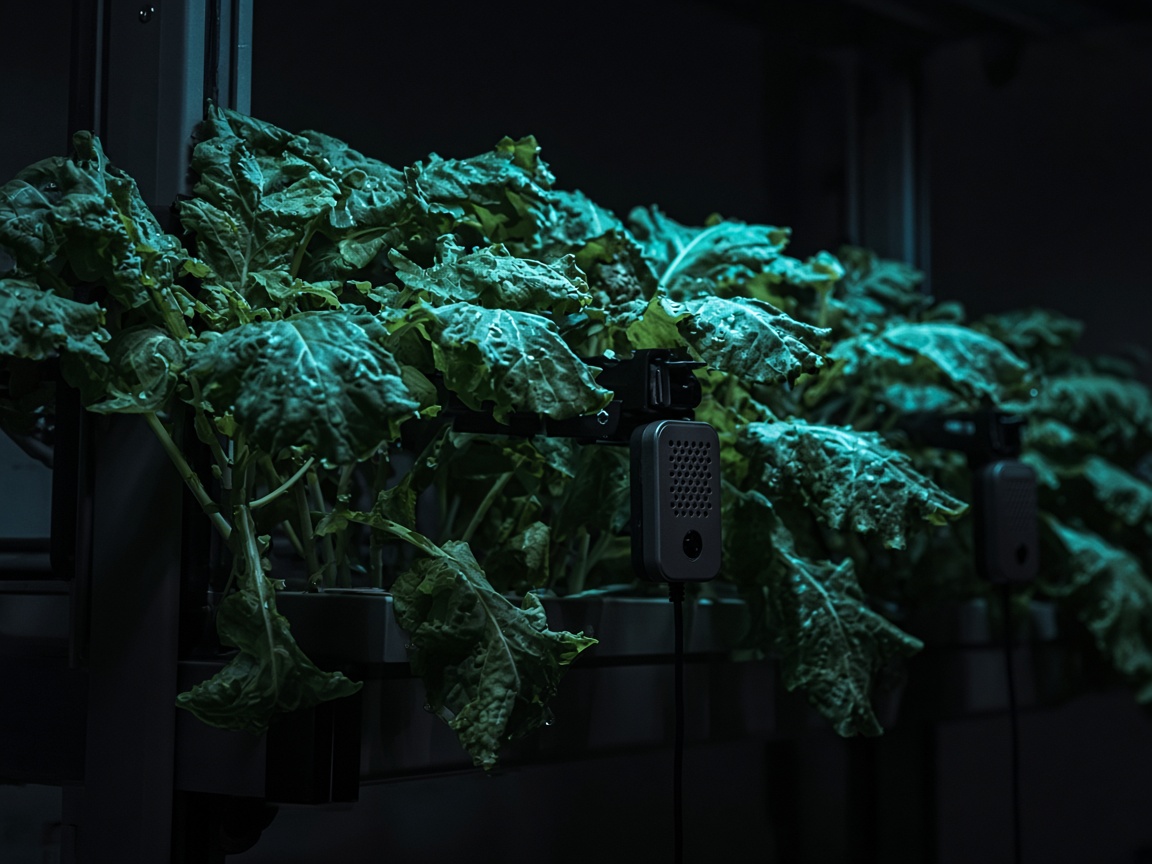
Demonstration theme
A multi-layer growing rack treated as a sensing and actuation testbed: canopy-level climate, lighting channels, and irrigation as independently documented variables.
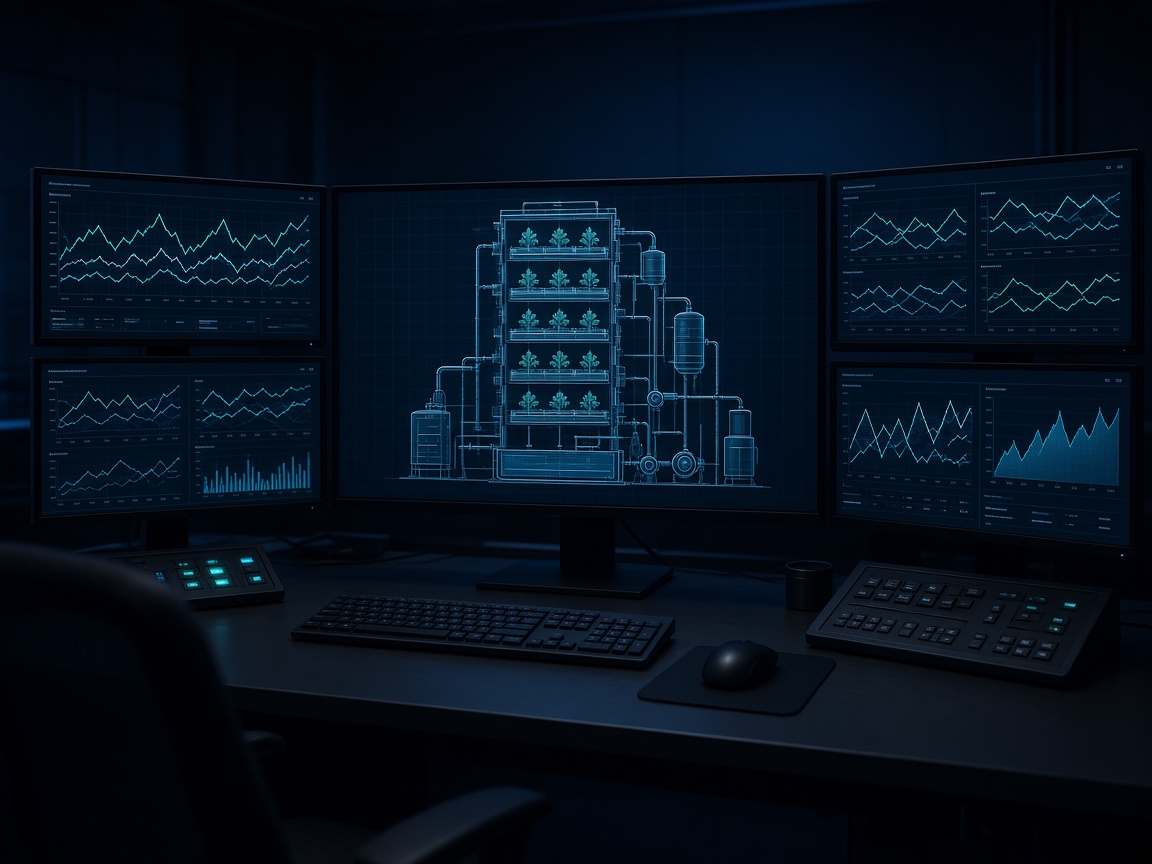
System concept
A conceptual operations view for time-series environmental data, alarm states, and actuator commands. Interface design is part of the research platform, not a commercial product listing.
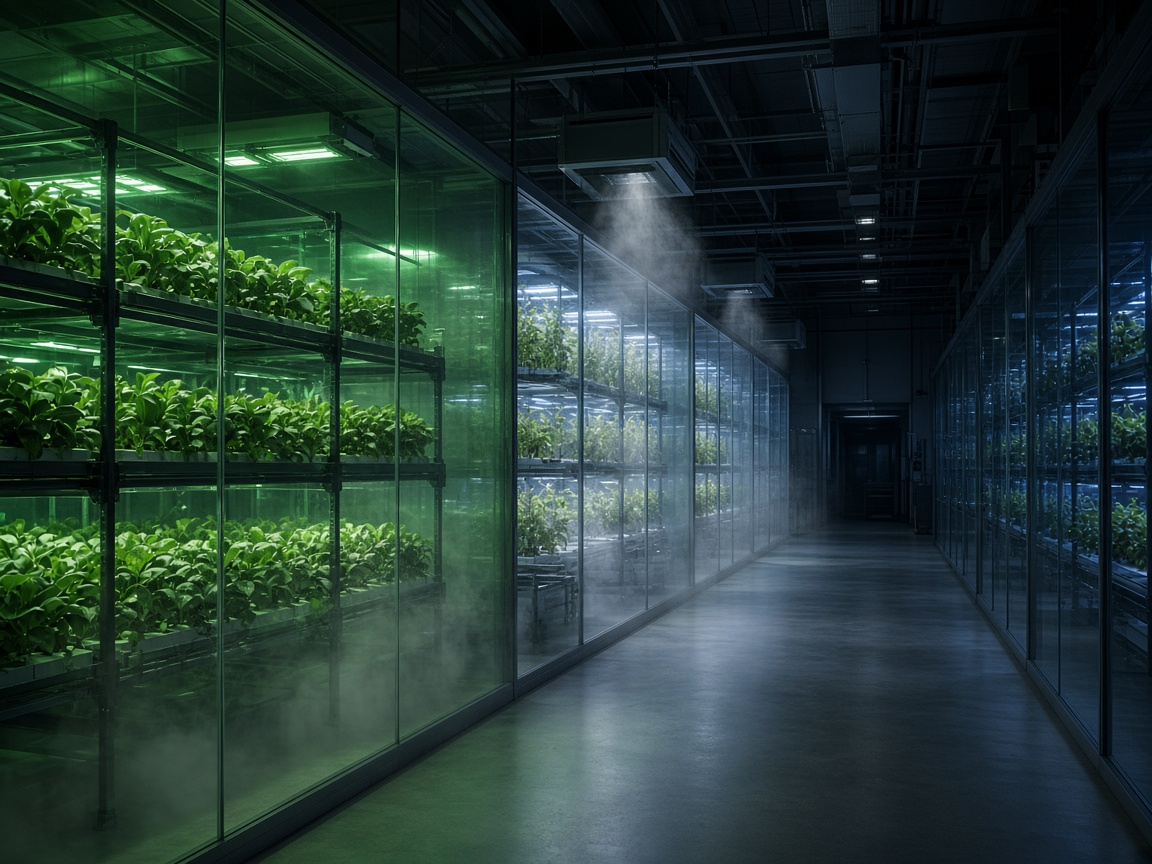
Research direction
Planned comparison of climate strategies across spatially partitioned zones inside the container. Protocols and outcomes will be published only when they are ready for public release.
Collaboration and contact
Toba Smart Farming welcomes discussion with researchers, engineers, growers, and institutions. Contact channels below are placeholders until public details are confirmed.
Email address — verification pending
Location
Geographic focus: Lake Toba region, North Sumatra, Indonesia (facility details to be confirmed)
Partnerships
Collaboration interests include sensing, control, energy systems, and controlled-environment agronomy. Partner names are not listed until confirmed.